In this third blog of the series “Leaving no one behind: How Impact-Linked Finance boosts impact in water and sanitation”, we share our perspective as a WASH funder on why we are using Impact-Linked Finance to better align our financing with lasting impact for underserved communities.
In the WASH sector, one thing unites us all: We want to see lasting improvements in the lives of underserved communities. Yet for many water and sanitation enterprises, scaling creates a difficult tension: should they prioritise scope and commercial growth, or deepen their impact by serving the most vulnerable?
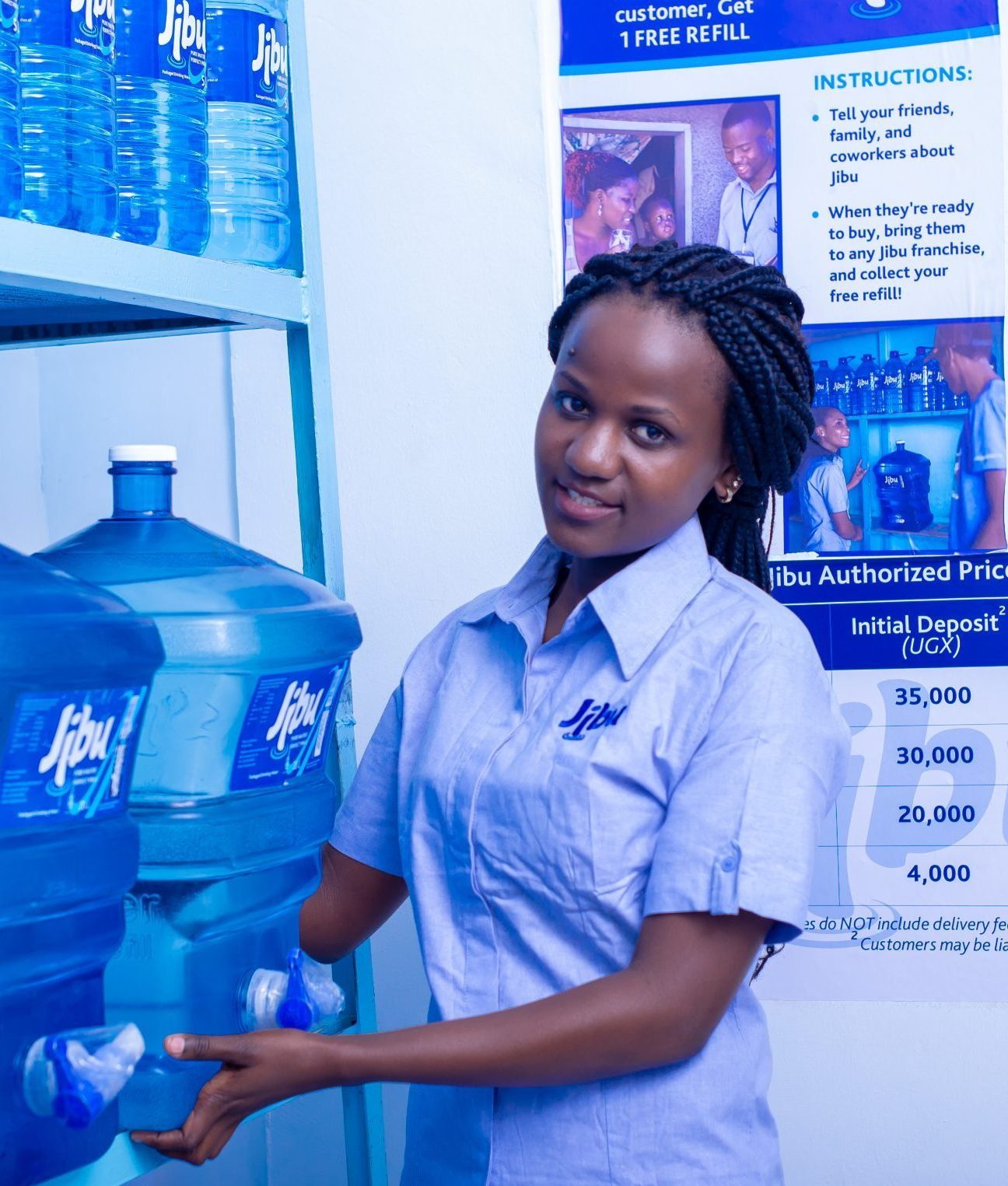 Take Jibu as an example. The company’s refillable, affordable and eco-friendly water bottles appeal strongly to many middle-income households across eight African countries. However, reaching – and retaining – low-income customers with lower purchasing power is both less profitable and more difficult to achieve.
This is where Impact-Linked Finance (ILF) can make a real difference. ILF offers a powerful answer by allowing a water and sanitation enterprise’s business success to go hand-in-hand with deeper, positive impact. For Jibu, this meant that ILF could help the enterprise to overcome a major barrier to reaching underserved customers: the initial price of a refillable water bottle of USD 12. “This is a lot when you only earn as much per week or even per month”, says Tosca Terra, former Head of Impact and Partnerships at Jibu. “You can’t prioritise buying a water bottle over food for your family or rent for your house. So yes, we can’t reach the poorest of the poor, but we can reach those who are one income level above – provided we sponsor the water bottle.”
Jibu is just one example of many where we, as a funder, have used this innovative ILF approach. So why did we choose this path? Here are our top five reasons (and they may convince you, too):
-
ILF enables deeper impact on underserved communities
ILF rewards understanding and serving customers better, especially those who are hardest to reach. As a WASH funder, this helps us to ensure that our capital goes towards actually improving livelihoods, not just business outputs. For example, Jibu confirmed that ILF helped them reach low-income households more effectively while running more efficient operations. Initially, the company did not collect information for all its end customers, just samples. The first SIINC measurement period was therefore used to incentivise the enterprise to strengthen its Impact Measurement and Management (IMM) system, which led to stronger customer insights on poverty levels, optimised delivery routes with GPS data, and more loyalty through direct engagement.
-
ILF for WASH is a scaling enabler
As funders, we have learned that scaling can increase the risk of mission drift. Enterprises may be tempted or pushed to move towards wealthier markets to survive and thrive, which can result in leaving vulnerable customers behind. However, ILF can remove or soften this tension. With Jibu, for example, we incentivised growth in low-income customers. This ensures that Jibu is rewarded for the extra effort of focusing on this segment and gains commercial insights on how to include them in their customer base as they scale.
-
Achieve true and sustainable impact
Funders strive to achieve additional outcomes beyond business-as-usual. Having these outcomes verified by independent third parties builds credibility. But another important aspect beyond impact accountability is the long-term sustainability of the impact. In the Jibu example, linking rewards not only to acquisition but also to retention of low-income customers does the trick. Such an incentive promotes longer-lasting access to clean water for vulnerable communities directly, while also creating insights on how these groups can be meaningfully integrated into Jibu’s mainstream scaling strategies. As Tosca Terra puts it: “ILF for WASH aligns so well with what we strive to do at Jibu but couldn’t do due to the extra risk. In addition, ILF is very system-changing as it integrates behavioural change into our organisation. This makes it much more sustainable compared to traditional grants.”
-
ILF for WASH is a blended finance mobiliser
Philanthropy alone can’t close the SDG 6 financing gap. ILF helps attract private sector capital by signalling that the impact is real, measurable and investable. In our SIINC transactions, we require a minimum leverage ratio of 1:3. Thus, every philanthropic dollar must crowd in at least three from private investors. In practice, enterprises have often exceeded this.
“…Investors were very happy that ILF helps us pursue this path. They also understood that [ILF] would result in higher revenues, which makes it a win-win situation.” – Tosca Terra, Jibu.
-
ILF for WASH is bottom-up and enterprise-centric
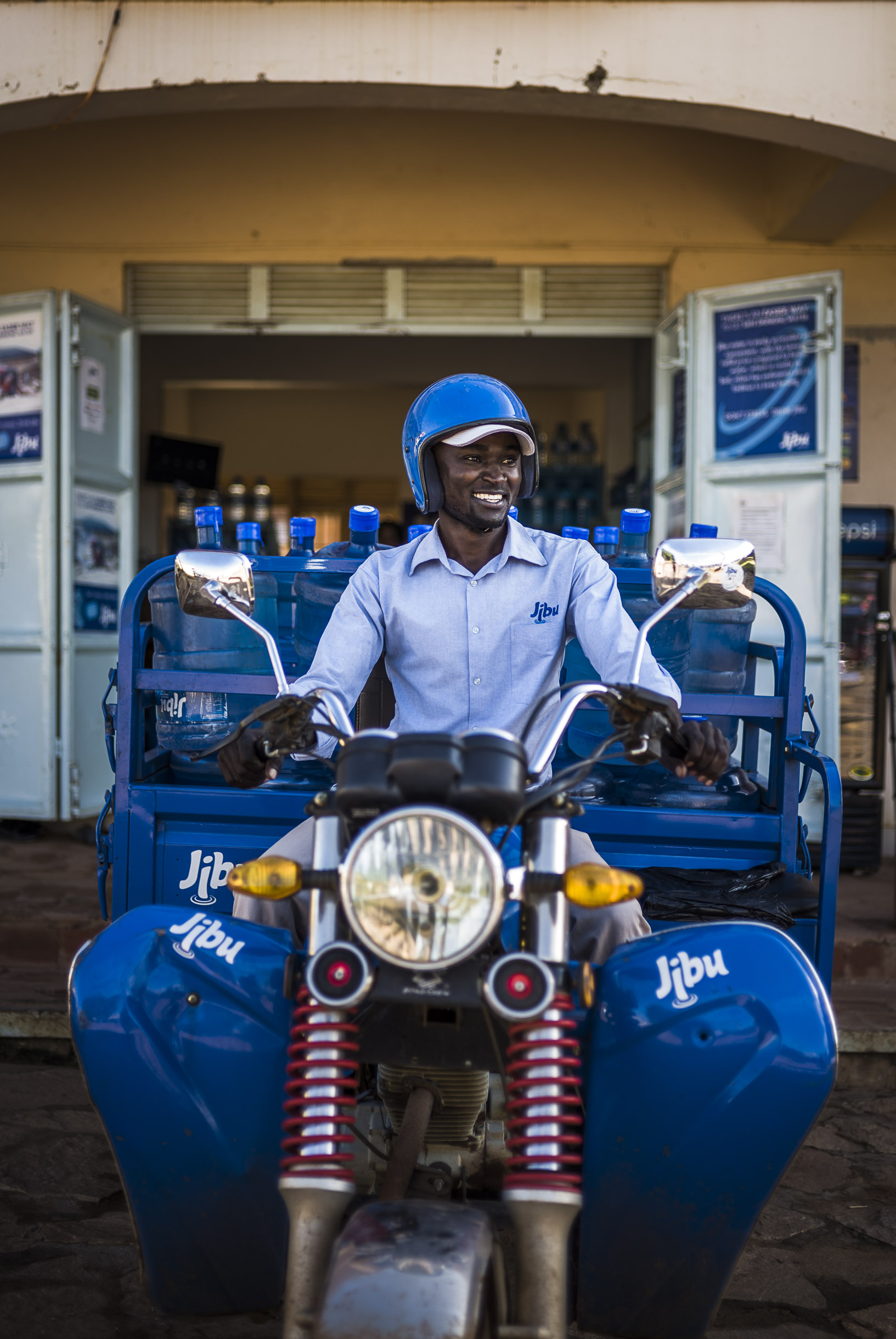
Unlike many donor-driven models, ILF is co-designed with entrepreneurs. This ensures that incentives align with their strategy, realities, and mission. With Jibu, our initial plan was to launch in Kenya. But after assessing local dynamics, we shifted to Uganda, where the team was ready to fully focus on the initiative. That flexibility proved critical to success. In short: the best ILF models are built with entrepreneurs, not imposed on them. The interventions are grounded in reality, not donor assumptions.
All in all, ILF has become a core part of how we support water and sanitation enterprises. When financial success and positive impact outcomes are tied together, every win for an enterprise is also a win for the funder and for the people who need it most.
Do these five reasons resonate with you as a WASH funder? Learn how Impact-Linked Finance can help you support enterprise growth that works and close the gap for those still being left behind. Get in touch today at info@aquaforall.org.