In this final blog of the series “Leaving no one behind: How Impact-Linked Finance boosts impact in water and sanitation”, we explore how Impact-Linked Finance, combined with targeted capacity building and technical assistance, can strengthen entrepreneurs’ capabilities to deliver and scale sustainable water and sanitation services for underserved communities..
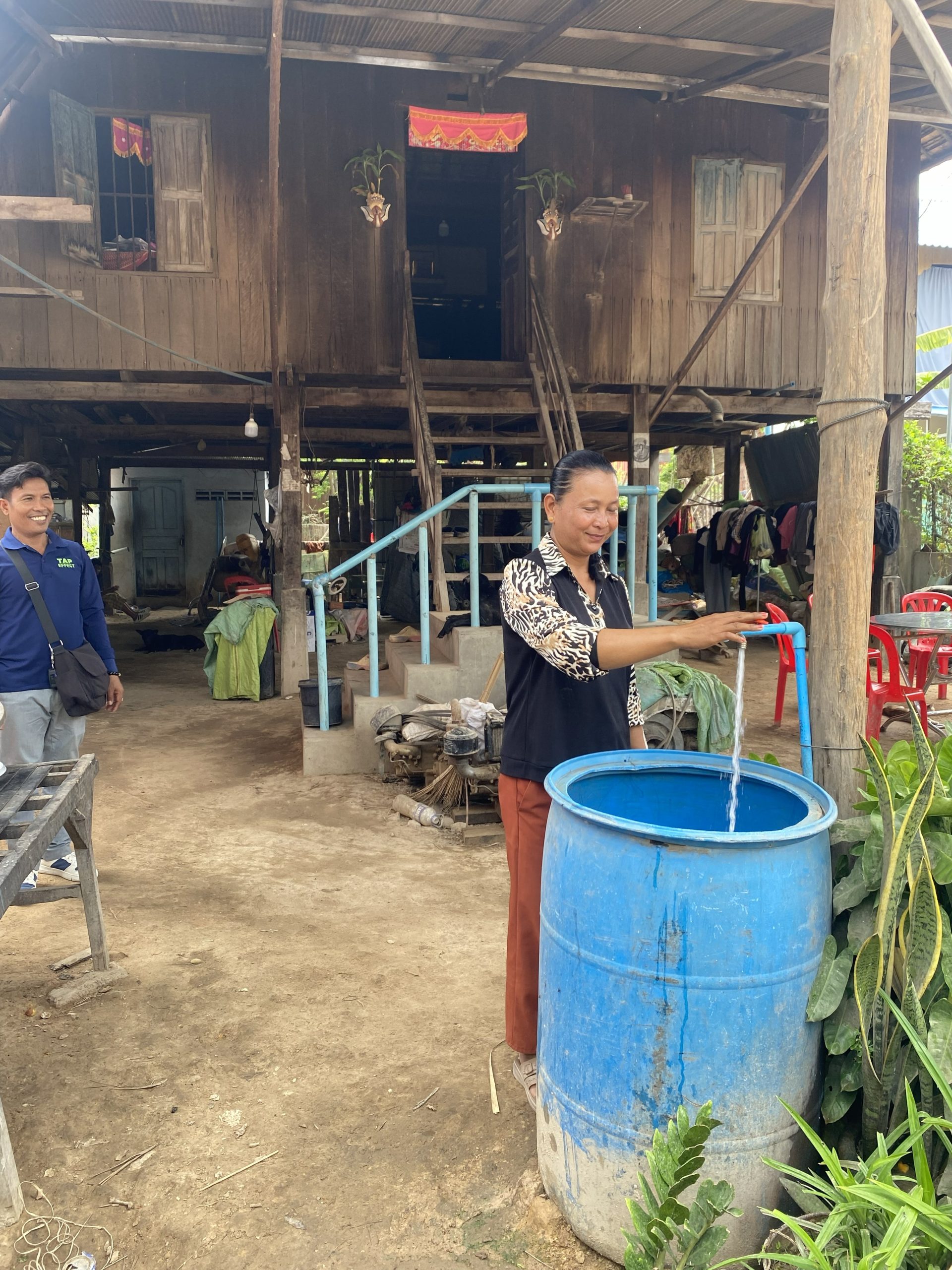 Water and sanitation entrepreneurs are on the frontline of delivering safe, reliable and affordable water and sanitation services, often in markets shaped by tight margins, complex regulation and climate risk. What determines whether an enterprise can grow from a promising solution to a trusted service provider is not only access to finance, but the capabilities behind the business: the systems, skills, and decisions that turn ambition into delivery.
That’s where capacity building comes in. Whether it’s strengthening (impact) data systems, embedding climate-resilience planning, improving customer insight or reworking a growth strategy, capacity building helps enterprises deliver better services today and build the foundation to scale tomorrow. It also helps entrepreneurs make the most of Impact-Linked Finance (ILF). When incentives reward outcomes, strong operational capacity enables teams to achieve those outcomes consistently and sustain them beyond a funding cycle.
The five capacity-building levers below draw on the lived experience of water and sanitation enterprises and the local technical assistance partners who support them. Together, they show what it takes to turn catalytic finance into lasting, scalable water and sanitation impact.
-
Build a local ecosystem of contextualised expertise
Every water and sanitation market tells its own story, shaped by geography, regulation, culture and customer behaviour. This is why local technical assistance providers often become the quiet heroes of ILF: they speak the language of the problem and the solution.
For Muhammadu (Sungsong) Aboubakr from MDF West Africa, this shift started during a session of the Train-the-Trainer (TtT) programme focused on impact measurement and management (IMM). He recalls: “The IMM TtT programme didn’t just add to my knowledge — it completely reshaped how I approach impact measurement… It offered a practical, step-by-step framework that connects real-world challenges to measurable outcomes.”
As he moved into the Investment Readiness (IR)-focused TtT programme, the effect gained momentum: “The IR TtT programme… enhanced our ability to guide businesses in aligning their financial strategies with their social and environmental goals.”
Each trained expert becomes a multiplier, someone who not only supports enterprises but strengthens the advisory ecosystem around them. Over time, these local experts form something powerful: an impact business support ecosystem that stays rooted locally, even after external funding cycles end.
-
Co-design technical assistance to fit context, needs and buy-in
 ILF works best when enterprises aren’t ‘passive’ recipients of technical assistance; they’re co-creators of it. This is especially true for flexible ILF instruments like Social Impact Incentives (SIINC), where alignment and buy-in can make or break success.
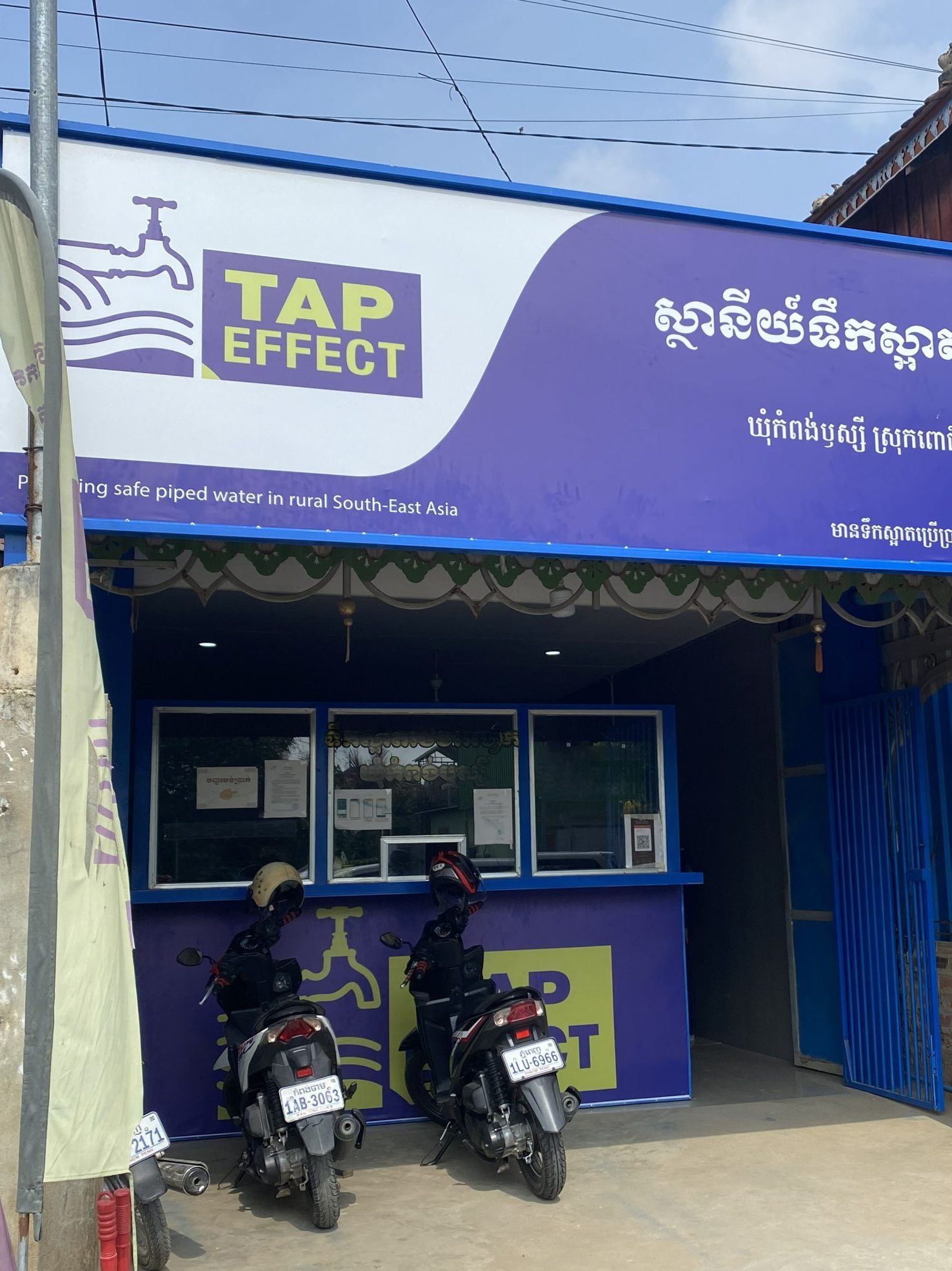
For example, at TapEffect, co-designed technical assistance (TA) emerged as a key enabler of the systems and capacities required to deliver impact, while strengthening its investment profile.
As TapEffect’s CEO, Nick Boerema, recalls: “Through the TA support, we clarified the impact we measure, improved our data collection processes, and established indicators for the Impact-Linked Finance structure. This helped position TapEffect to secure a $500k debt facility.”
When technical assistance addresses genuine operational gaps (such as customer insight tools or IMM tools), enterprises take the wheel. Co-design stops technical assistance from being just a methodology and turns it into a source of momentum.
-
Move from impact reporting to operational IMM
One of the most transformative shifts we see in ILF-enabled support is when enterprises stop treating impact as a reporting requirement or a tick-box exercise and instead start using impact data and insights to drive commercial decisions. From ‘prove’ to ‘improve’.
That pivot often happens in Bootcamp-style IMM programmes. For Water Access Rwanda, the realisation was immediate: “The Bootcamp helped us to understand that it’s important to establish priority outcomes and indicators, aligning them with impact and commercial performance.”
Practicality became the catalyst for Big Five Africa (Purity N. Kinyua): “The training module on Data Collection, particularly the use of proxy indicators and the customer touchpoint approach, shifted my thinking from traditional, high-cost data gathering to more efficient strategies embedded directly into enterprise operations.”
When IMM becomes usable rather than burdensome, it strengthens products, business processes, partnerships and the credibility behind impact-linked incentives.”
-
Apply a funnel approach: strategic technical assistance linked to an enterprise’s growth stage
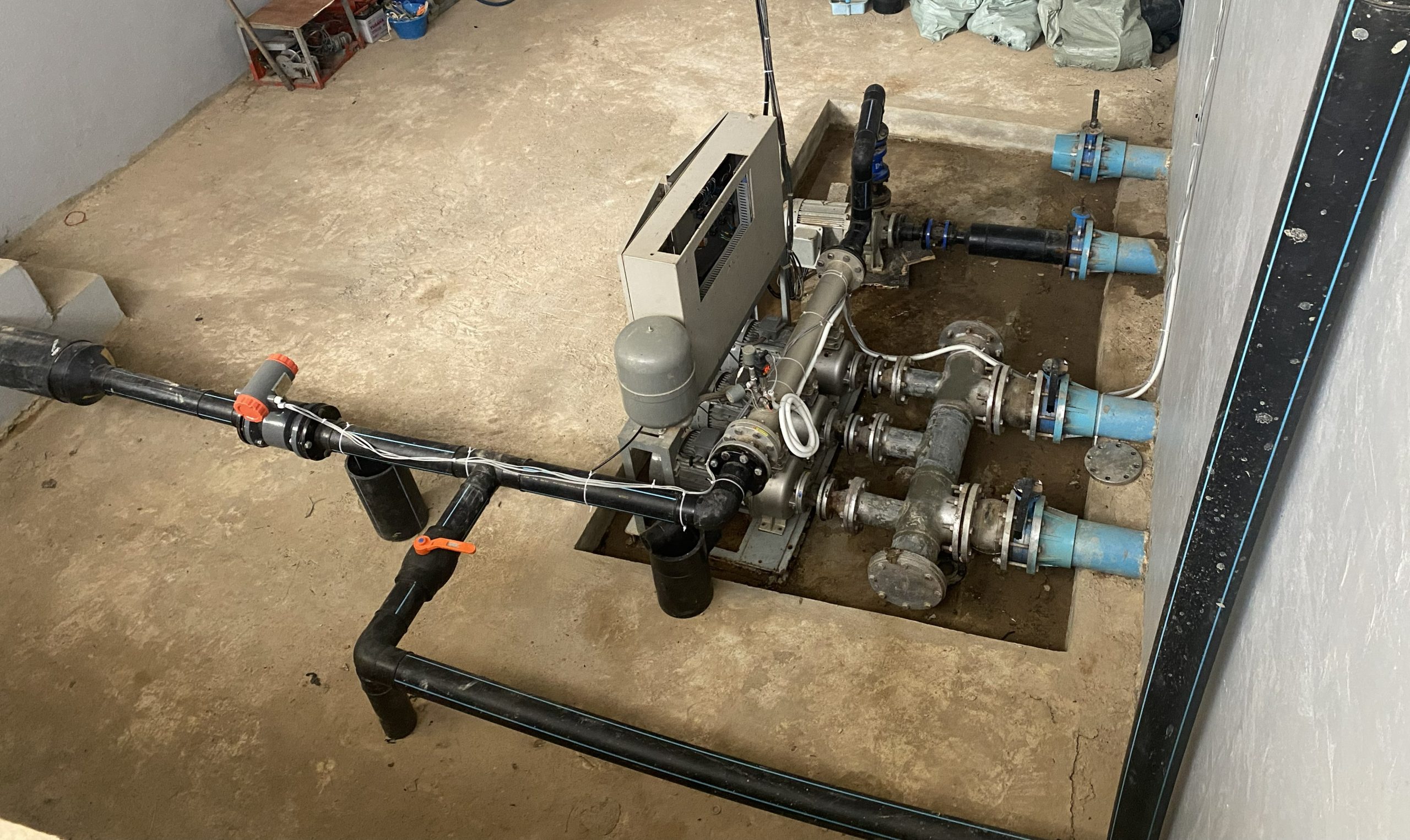 Every enterprise is on its own journey. Technical assistance becomes most effective when it recognises those stages and serves them deliberately through a structured funnel that builds foundations first, then sophistication.
Aqua for All’s Foundational Support Programme also illustrates this well.
For example, Aljuli Engineering experienced the clarity that comes from getting the fundamentals right: “We are now better able to identify with clarity our customers and what our products do to change their lives.”
Building on this, Aminata Diewo Gueye from West Africa Water experienced how technical assistance was directly linked to the enterprise’s core: “The Theory of Change, the impact statement, and the Mwater tool… allowed us to structure our impact approach in a clear, measurable way, fully aligned with our operational objectives, and strengthening our ability to plan strategically.”
A sequenced approach does more than build skills, it creates a pipeline of ILF-ready enterprises, grounded in strategy, confident in their data and prepared for investment.
-
Share what works and replicate best practices
Capacity building becomes powerful when it travels. When tools, methodologies and lessons learned start circulating in an accessible and digestible way, risk drops, momentum rises and a shared language of impact emerges.
One standout example is the “Impact Revenue Matrix” (a tool used in the ILF- Bootcamp). For Tilmann Straub from WeTu (We Water), it sparked a shift in strategic thinking: “This helped us develop a strategy to scale our business towards sustainability — generating more impact as well as more revenue.”
Intermediaries like Intellecap play a pivotal role here, participating in repeated TtT programmes and opening access to toolkits that allow best practices move across borders and markets.
Replication isn’t about copying. It’s about accelerating. It builds coherence, investor confidence and alignment across the ILF ecosystem.
Do these five capacity-building levers resonate with you? Learn how Impact-Linked Finance can help your enterprise’s growth. Get in touch today at info@aquaforall.org.