Aqua for All has launched its Ethiopia Five-Year Programme (2026–2030) to expand market-based water and sanitation solutions. This EUR 3 million programme (approx. ETB 522.9 million) aims to ensure long-term access to safe water and sanitation. Focused on Amhara as a model for country-wide use, it targets 134,000 people (26,800 households) with improved access to drinking water and sanitation.
The Ethiopia Five-Year Programme marks a shift from isolated interventions towards building a thriving water and sanitation ecosystem, recognising that long-term access depends on enabling local markets and financial systems to function effectively, not solely on infrastructure delivery. Transforming the Ethiopian water and sanitation ecosystem requires strengthening micro, small and medium enterprises (MSMEs), improving supply and distribution chains, mobilising private capital and reinforcing collaboration between public institutions, private sector actors and community-based organisations.
The programme promotes a system-building model centred on five strategic levers:
- Mobilising private actors: Engaging businesses and entrepreneurs to provide and maintain sustainable and affordable water and sanitation services.
- Structuring for investment and deploying blended finance to crowd in local capital, de-risking lenders, building water and sanitation lending products and aggregating pipelines into bankable portfolios with clear financial returns and measurable social impact.
- Innovation: Using technologies, such as solar-powered chlorination systems and digital credit, to reduce costs and improve efficiency.
- Scalability by design: Ensuring every intervention is designed for replication and national expansion.
- Enabling environment: Collaborating with regional bureaus to enhance regulations and institutions so local water and sanitation entrepreneurs can grow and attract private investment from banks, MFIs and financial saving and credit cooperative organisations (SACCOs).
The role of blended finance
A central feature is the use of blended finance mechanisms, like Aqua for All’s Revolving Credit Facility (RCF), which was designed to demonstrate the viability of water and sanitation lending unlock private investment and expand access to improved water and sanitation services for at least 86,500 people by 2029. Established in partnership with the Conrad N. Hilton Foundation, the facility will deploy EUR 1 million in grant funding to mobilise EUR 3 million in private capital. The revolving structure is expected to further increase total capital mobilised to EUR 4.5–5 million over four years.
By combining grant funding with private capital, the RCF reduces risk for financial institutions and improves liquidity for microfinance providers and enterprises. This, in turn, enables more accessible and affordable financing for water and sanitation solutions at household, utility and MSME levels, while laying the foundation for increased domestic capital mobilisation over time.
Ethiopia’s water and sanitation sector continues to face structural underinvestment, especially in Amhara. The programme responds by introducing tailored financial instruments and market-building interventions that can crowd in domestic capital, strengthen the investment environment and support the gradual transition towards a more self-sustaining water and sanitation market.
Building on a proven model in Amhara
The programme builds on nearly a decade of experience in the Amhara Region, where Aqua for All has championed a market-based approach since 2017. What began as a focused effort to introduce affordable household water filters has evolved into a robust proof of concept for the entire country. Market-based solutions are not only viable but preferred by underserved communities, demonstrating that households are willing to invest in their own health when services are affordable, accessible and reliable.
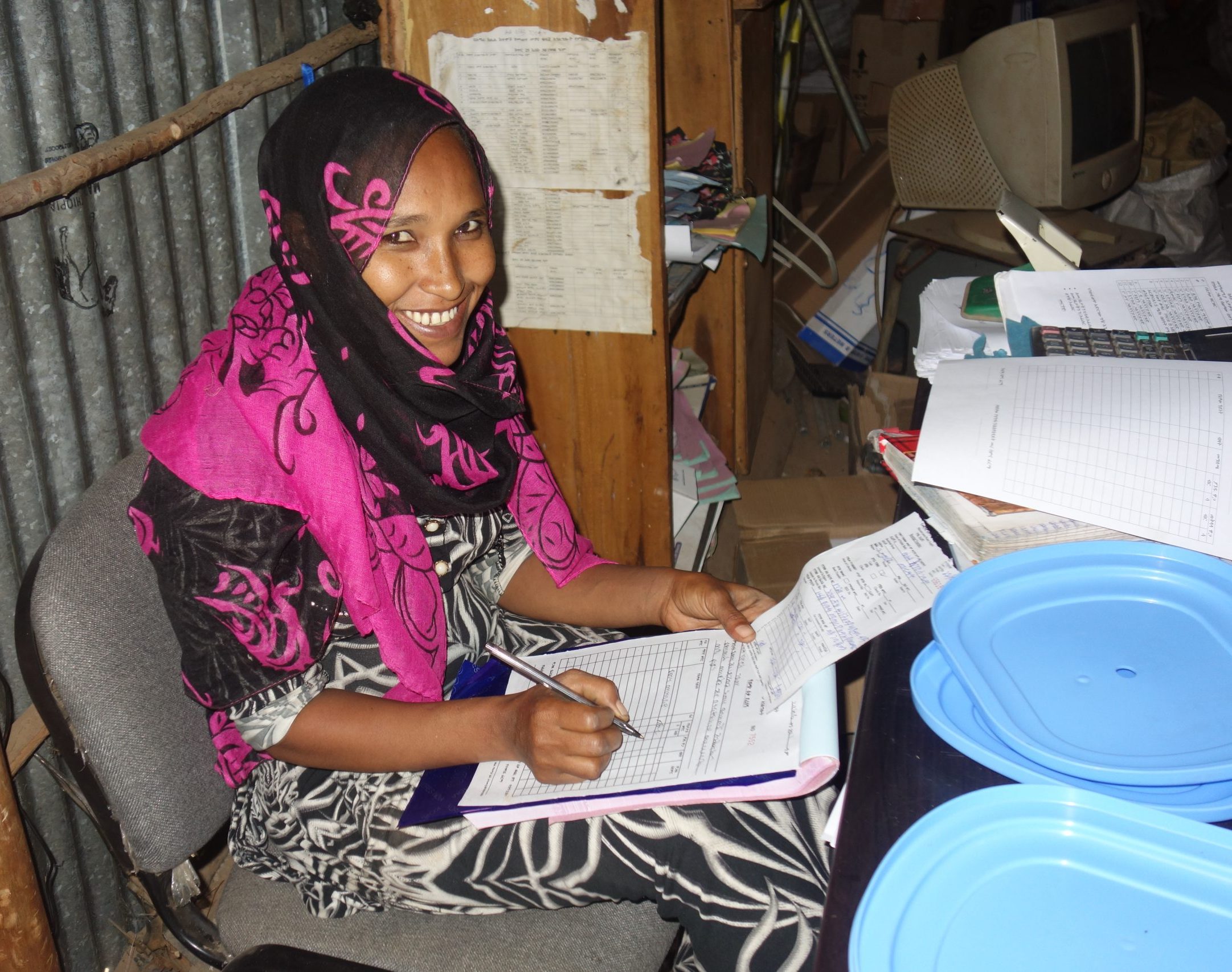
Central to this success was the strategic transition of implementation responsibilities. Rather than remaining a donor-led project, the programme successfully shifted ownership to a local Project Management Unit hosted by the Association of Amhara Town Water Utilities (AATWU) and the Cooperative Promotion Authority. This ensured that distribution channels, ranging from water utilities to agricultural cooperatives, remained active after direct funding ceased.
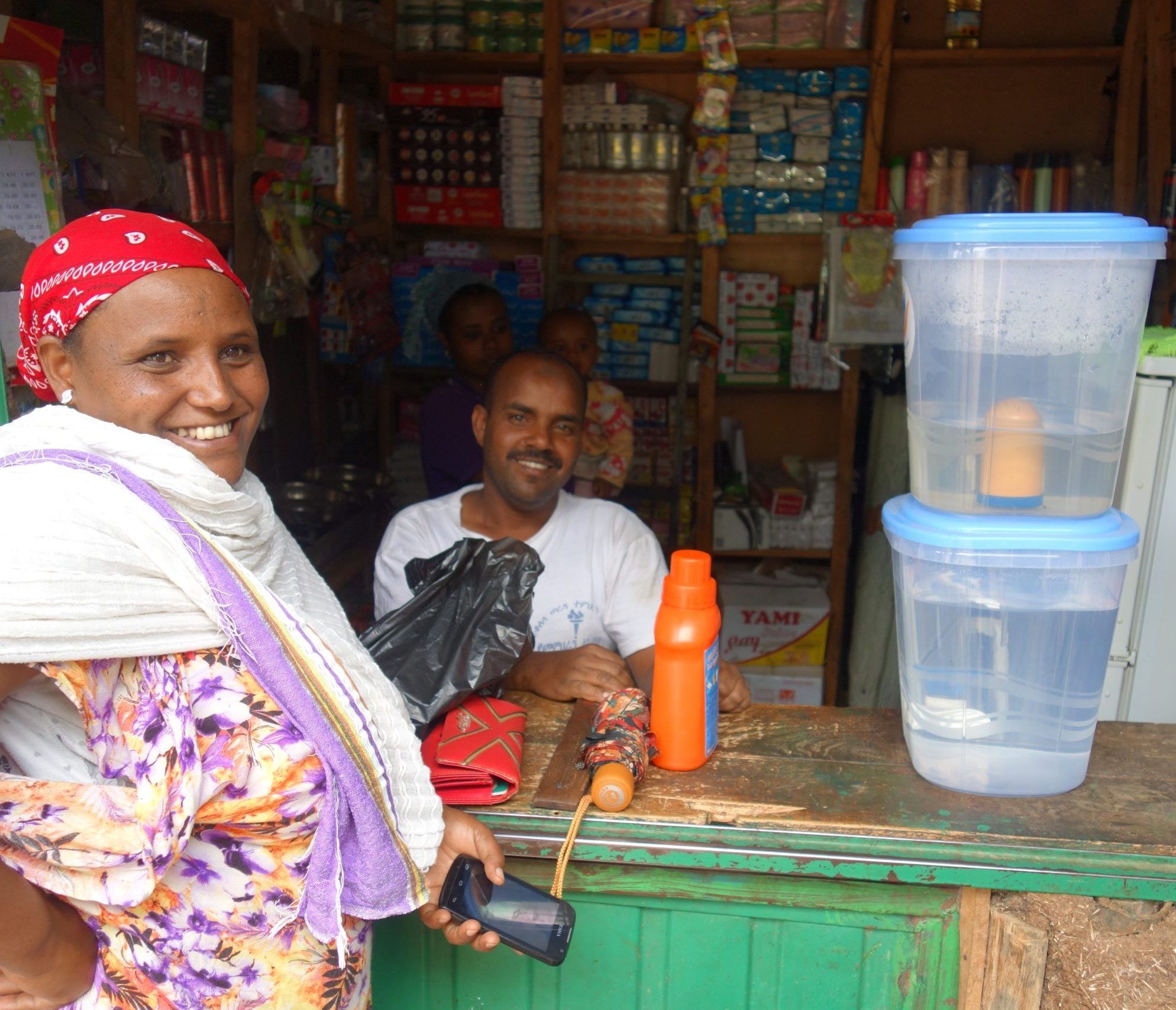
This model has distributed over 66,000 water filters and benefited more than 330,000 people in Amhara. These results informed the 2026–2030 strategy: local institutional ownership drives sustainability, integrating financial mechanisms into service delivery enables scale and achieving sustainable impact requires developing markets by strengthening supply chains, distribution, and local businesses beyond project-based efforts.
Strengthening stakeholder alignment and collaboration
The Ethiopia Five-Year Programme (2026–2030) was officially launched in Amhara on 13 March 2026. The event convened around 60 high-level stakeholders from government, financial institutions, cooperatives, the private sector, academia and development partners to align stakeholders around the programme’s objectives and reinforce collaboration for implementation.
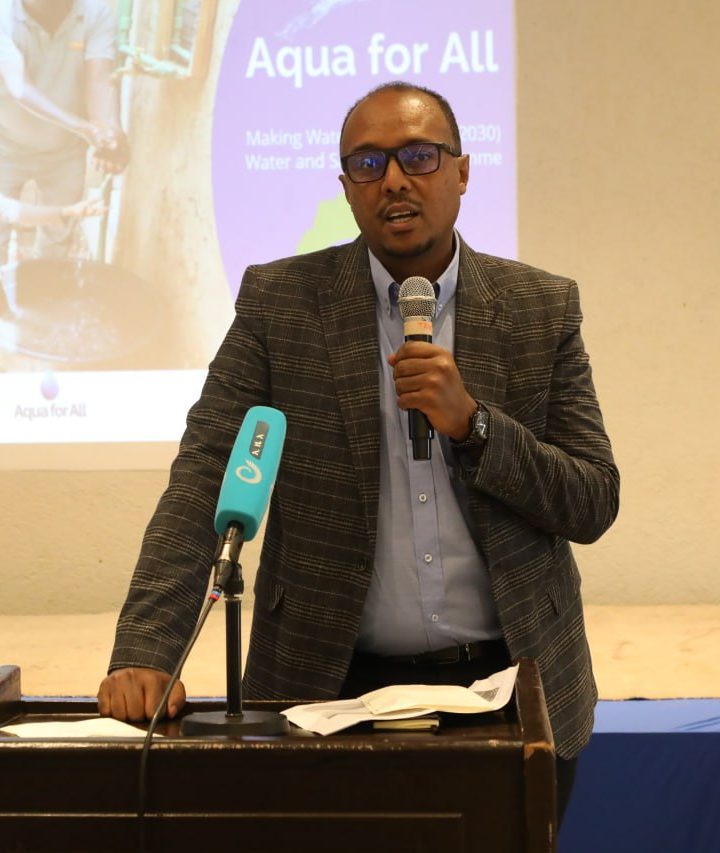
Discussions confirmed strong alignment with the programme’s direction. Governmental institutions emphasised the importance of policy coherence, regulatory support and stronger coordination mechanisms. To date, Aqua for All has signed agreements with the Amhara Regional State Water and Energy Bureau, the Amhara Regional State Health Bureau, the Amhara Regional State Bureau of Finance, and the Amhara Regional State Cooperative Promotion Commission to ensure coordination, alignment and support.
Financial institutions expressed interest in expanding financing for the sector, while highlighting the need for risk mitigation tools and tailored financial products, which are directly addressed by the programme’s blended finance approach.
Cooperatives were recognised as critical last-mile distribution channels and trusted community-level financial actors, while enterprises highlighted ongoing challenges related to access to finance, supply chains, and market entry. These insights reinforce the programme’s focus on strengthening MSMEs and improving market linkages. Academia pointed to the need for stronger evidence-based planning and improved public–private partnership models, further underlining the importance of system-wide coordination.
A consistent theme was the critical role of integrating service delivery systems and financial mechanisms to advance safe water and sanitation access. This includes enabling household-level financing for water connections and related infrastructure, as well as establishing a credit facility that provides blended, concessional yet market-oriented finance. Such a facility would help address liquidity constraints faced by household loan providers, while also extending direct financing to utilities and small and medium-sized enterprises (SMEs) and other implementing institutions across the water and sanitation value chain.
A compelling opportunity for investment
The programme places strong emphasis on strengthening the wider ecosystem, with a focus on energy efficiency, reduction of non-revenue water (NRW) and the role of Nature-Based Solutions and ecosystem-based adaptation in long-term water security. By combining financial innovation with local institutional strength, it aims to unlock public and private capital while embedding long-term ownership.
For donors, the programme offers a platform to strengthen Aqua for All’s catalytic role while delivering scalable, system-wide impact across the water and sanitation ecosystem.
Beyond establishing a blended finance facility and unlocking private capital, the programme aims to strengthen the investment case for water and sanitation in Ethiopia, aligned with EU and development cooperation priorities such as the green transition, resilient infrastructure and private sector mobilisation. A key focus is generating evidence to inform public financing strategies and demonstrate sector viability to institutions, such as the Development Bank of Ethiopia (DBE) and the National Bank of Ethiopia (NBE). This will support the development of dedicated credit lines with potential to attract additional international funding, including from Development Finance Institutions and impact investors over time.
In parallel, the programme contributes to a stronger enabling environment by producing robust data, evidence and a track record through its joint work with the Hilton Foundation on water and sanitation financing. While not directly engaged in policy advocacy, this evidence base helps inform sector dialogue and policy discussions, while increasing support for mechanisms that incentivise commercial bank lending to priority sectors, such as water and sanitation, contributing to systemic impact and long-term sustainability.
For investors, the programme presents a clear opportunity to catalyse systemic change. Strategic early investment can help de-risk the sector, strengthen financial ecosystems and mobilise significantly larger flows of domestic capital over time, while also supporting enterprises critical to service delivery, last-mile distribution, and innovation across the value chain.
With Ethiopia’s population expected to double by 2060, scalable and financially resilient solutions are urgently needed. Aqua for All’s Amhara programme aims to provide a scalable, replicable and practice-oriented model for expanding safe water access, while simultaneously building the financial, market development and institutional systems required to sustain it.